About The Writer

Trevor Noah was born on 20 February 1984, in Johannesburg, Transvaal (now Gauteng), South Africa. His father, Robert, is Swiss-German, and his mother, Patricia Nombuyiselo Noah, is Xhosa. Under apartheid legislation, Noah's mother was classified as Black, and his father was classified as White. Noah himself was classified as Coloured. At the time of his birth, his parents' interracial relationship was illegal, which Noah highlights in his autobiography "Born A Crime".

Trevor Noah is a comedian, writer, producer, political commentator, actor, and television host. He was the host of The Daily Show, an American late-night talk show and satirical news program on Comedy Central, from 2015 to 2022. Noah has won various awards, including two Primetime Emmy Awards.He was named one of "The 35 Most Powerful People in New York Media" by The Hollywood Reporter in 2017 and 2018.In 2018, Time magazine named him one of the hundred most influential people in the world.

Being chosen is the greatest gift you can give to another human being. The first thing I learned about having money was that it gives you choices. People don't want to be rich. They want to be able to choose.

About The Book

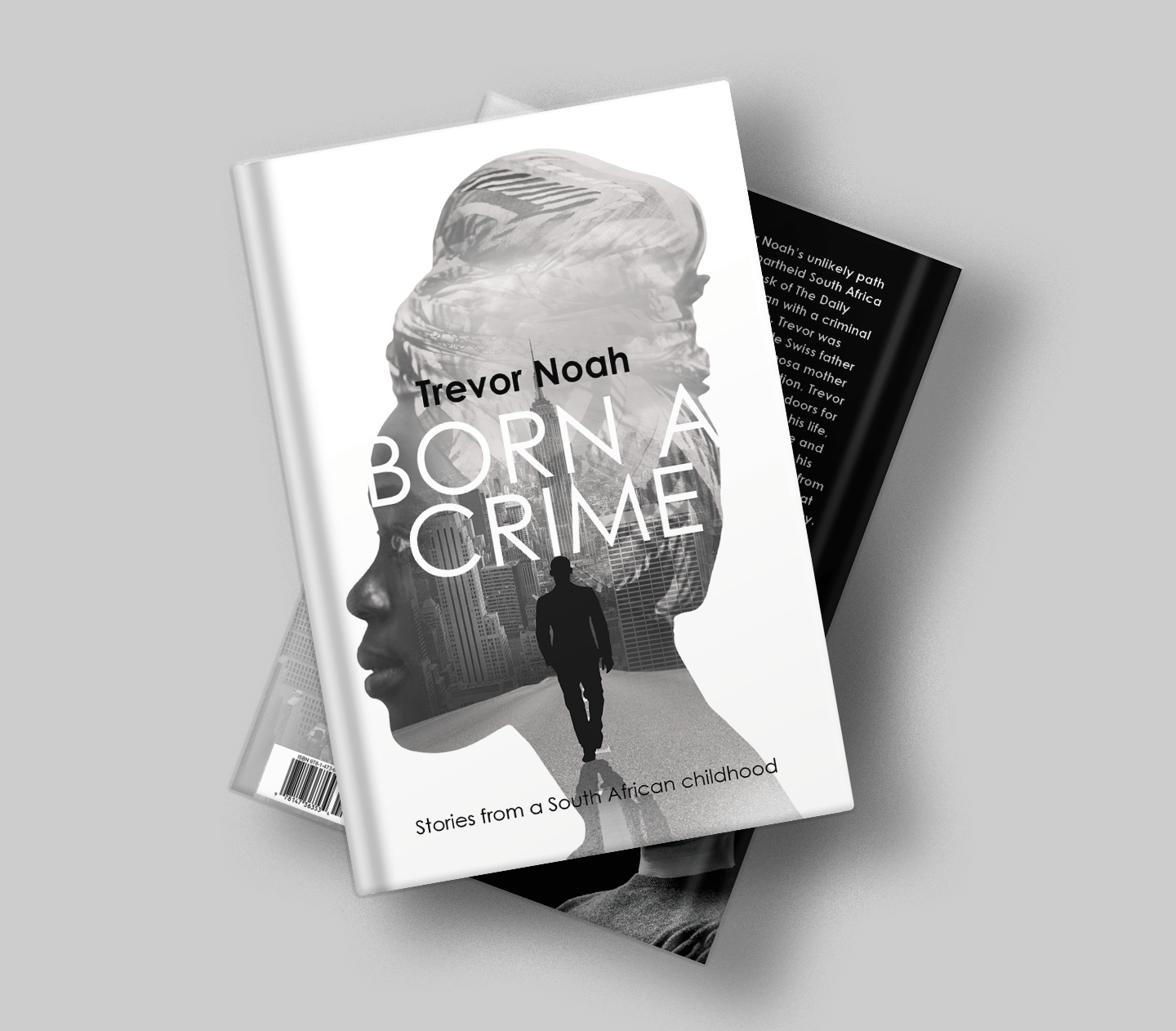
Born a Crime by Trevor Noah is more than just a story of growing up — it’s a powerful reflection on the struggles and contradictions of life under apartheid and beyond. Through humor, honesty, and vivid storytelling, Noah takes readers into a world where inequality was written into law, where patriarchy shaped family life, and where identity and belonging were battles fought every day. At the heart of the story is Patricia Noah, Trevor’s fearless mother, whose courage and faith shape the course of his life.

This blog explores five core issues that Born a Crime brings to life: the deep roots of inequality, the role of Patricia as a true protagonist, the impact of patriarchy, the human need for love and belonging, and the complex search for identity amidst exclusion and division.
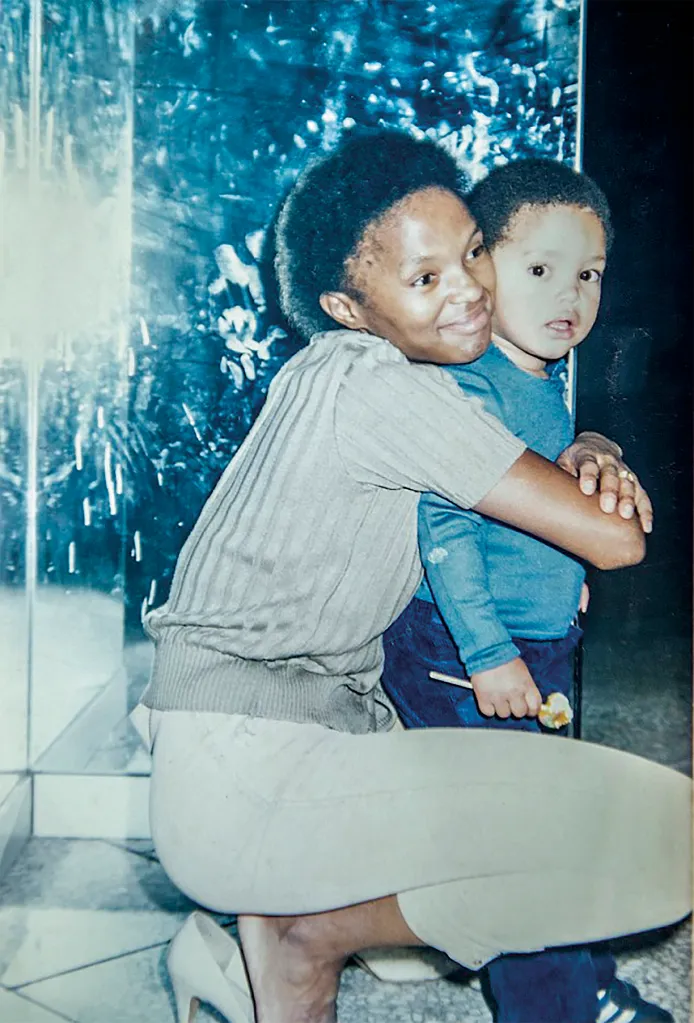
Love and Relationship

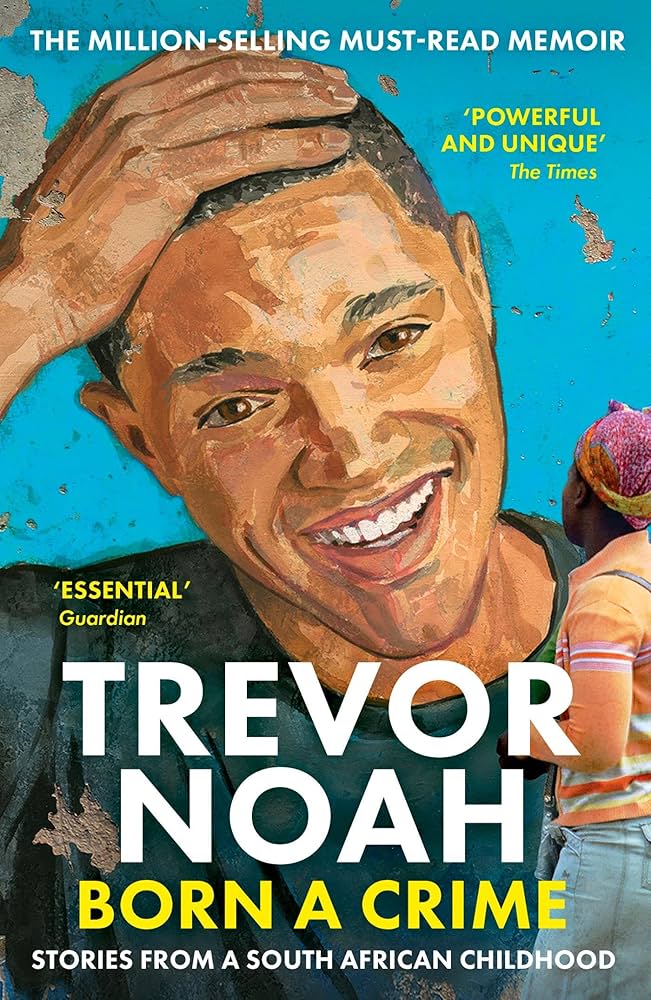
Trevor learns that love, especially familial love can be complicated but extremely strong. His relationship with his mother, Patricia shows him that real love means sacrifice, resilience and sometimes tough choices, romantic love on the other hand love is confusing for him sometimes tied to race, class and misunderstandings. His experiences show that love isn’t always the perfect fairy tail version. It's messy, hard and sometimes it’s also painful but it is still powerful.

This view differs from traditional ideals that often present love as easy and purely joyful. Trevor’s life teaches him that love is an action something you work on and fight for, not just a feeling.

Race Inequality

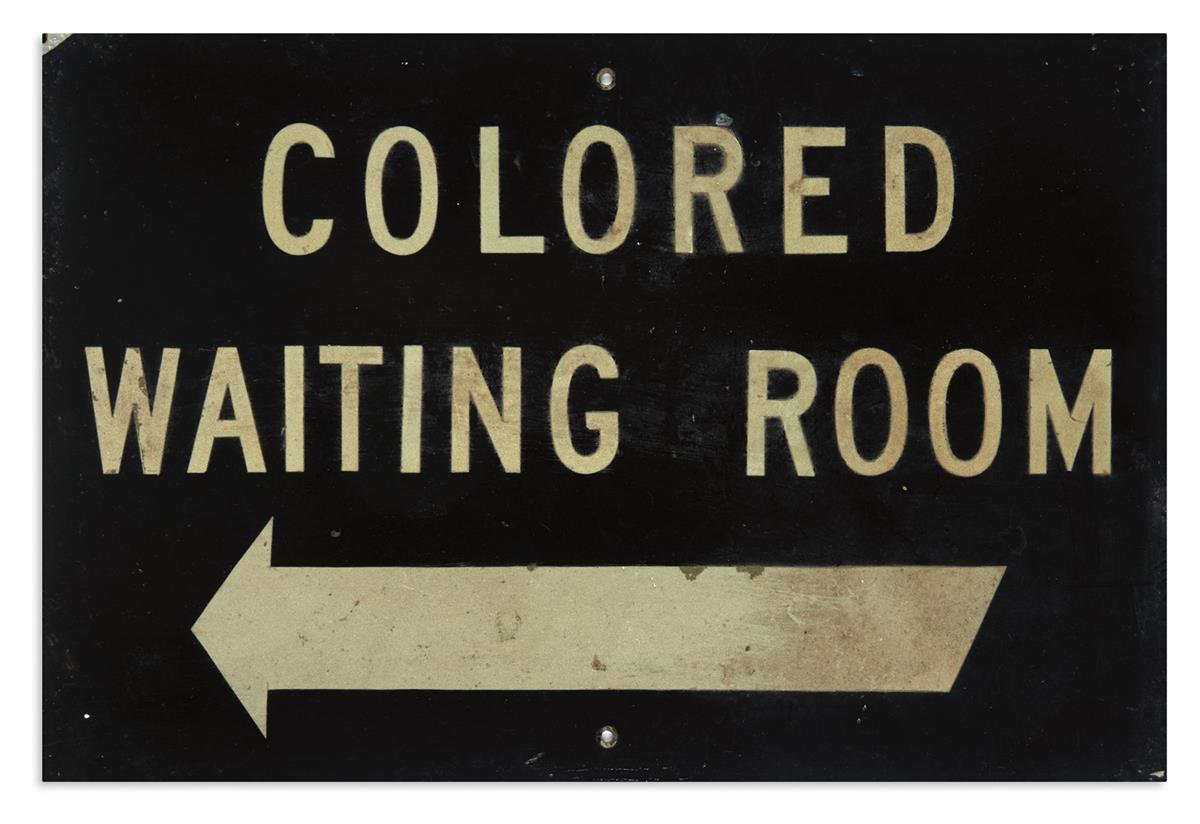
Apartheid utilized grouping systems to organize people by race. Depending on what race you were, it determined how you were treated and how knowledgeable you were. In Bantu schools students were taught in their home languages as their purpose was to keep the blacks uneducated and under control. The government said “It does not serve the Bantu to learn history and science because he is primitive” so these schools only taught metrics and agriculture (p. 61). The schools were run down, the classrooms were crowded, and the teachers were often illiterate themselves.

The propagandists of apartheid would speak differently to people, depending on their race. This gave the whites permission to speak down to blacks and colored people. Under apartheid, blacks didn’t deserve better.

Apartheid had such a big impact on the South Africans even after it ended, the societal divisions were even implemented among schools. In the book Trevor is put in the smart “A” class with mostly white students due to the color of his skin and during recess he finds it hard to find a group where he is accepted as his colleagues divide themselves among black and white, being colored he did not fit in any of them. He continually insisted on changing to “B” classes since that’s where his black friends were but was warned against it, “but that class is ...those kids are gonna hold you back .You want to be in the smart class.”said by the school counselor (p.59).

This adds to my initial knowledge of systematic inequality mainly in black history where slaves were denied their rights to knowledge, employment and political involvement.

Unfortunately, in some countries like Iraq gender inequality still exists where women are denied education of any kind (theoretical or conceptual) and also not allowed to receive medical attention from men, this makes it hard for the women as they are only allowed to be treated by their fellow women who lack medical skills as well as all the necessary medical tools.

Patricia As a Protagonist

“The world doesn’t love you. If the police get you, the police don’t love you. When I beat you, I’m trying to save you. When they beat you, they’re trying to kill you.” (p.243)

To Patricia, her family’s survival is not an option but an imperative, her strict parenting was because she wanted to discipline Trevor before the system did, because of these high standards Trevor was raised in he was able to survive the violence of his world.

When Patricia was a child, she endured poverty and unhappiness, but that did not stop her from taking risks in her adult life. She moved to Johannesburg despite it being illegal and lived an independent life defying many laws as well as putting her life in danger.Trevor learnt from her that to make money one needs to persevere, meet new people and expand his horizon.

She persists in providing good educational opportunities for Trevor by sending him to schools in distant neighbourhoods as well as encouraging him to love reading as much as she did herself.“Language brings identity and culture… A shared language says ‘we are the same.’ A language barrier says ‘we are different.’”(p.49)

Trevor learnt from his mother how to use different languages. This in turn helps him to survive living in a multicultural community where he had no identity and it helped him escape several violent instances in his life.

Patriarchy

After apartheid, most men were too poor or uneducated to leave their villages or townships in search of better work, whether they provided for their families or not, the women were made responsible for raising a family and running a household on limited money.

Trevor tells us how he grew up in a world of strong women whom society views as less than their male partners. His aunt Sibongile dominated her husband who wanted to display himself as abusive in the eyes of their patriarchal society which believed that husbands should be dominant , controlling and a portrayal of toxic violent love through a common saying “If you don’t hit your woman, you don’t love her.”(p.35 - 37).

Later on, even though Patricia had a career and a home of her own, she is still identified as Abel’s wife. Abel’s traditional family expects her to defer to him in all things, and while Patricia rejects outward displays of respect, she does support Abel financially even as his business fails.

Humor as Armor

Trevor Noah, in Born a crime, uses humor as a way to survive and cope with the painful realities of growing up under apartheid and poverty. He jokes about serious things like racism, violence and even his own illegal existence. Humor becomes his shield because it allows him to tell painful truths without being crushed by them. For example when dealing with strict authority figures or the police, Trevor often used quick wit to get out of trouble or to lessen punishments.

In my life, I’ve seen humor help in so many ways like a friend of mine once made jokes about a situation that she went through during a war, which helped her laugh and heal instead of getting stuck in sadness. Humor doesn’t erase pain, but it makes it easier to carry.

Summary

In summary, “Born a Crime” shows Trevor Noah’s experience growing up mixed-race in apartheid and post apartheid in
South Africa highlighting resilience, humor and mother’s fierceness in a world built to divide.

A powerful story of love, survival, identity struggles and an unbreakable mother-son bond.